How to Choose the Right iPhone: A Complete Guide for First-Time Buyers
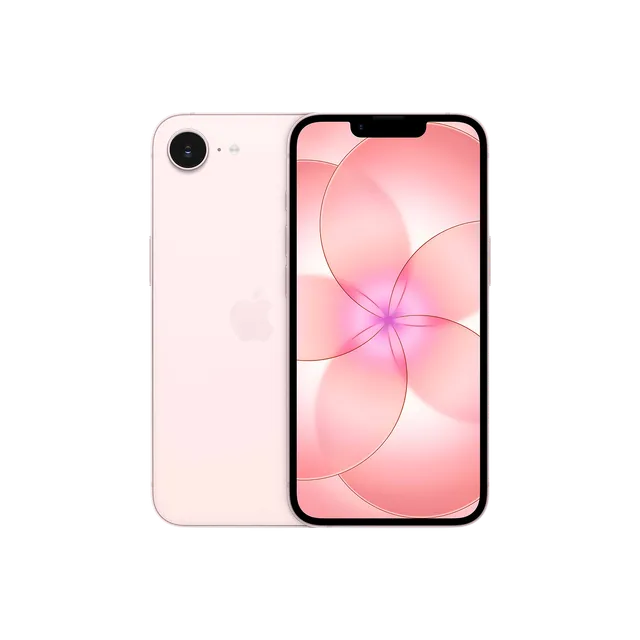
Buying an iPhone sounds simple until you see how many models, storage options, camera features, and price points are available. The right iPhone depends less on choosing the newest model and more on understanding what you actually need.
Whether you care about photography, gaming, battery life, performance, or simply want a reliable everyday phone, this guide will help you understand the key factors before choosing an iPhone.
How to Choose the Right iPhone?
The best iPhone for you depends on your budget, daily usage, camera requirements, storage needs, and how long you plan to keep the phone.
For example, someone who mainly uses WhatsApp, Instagram, YouTube, and calls may not need the same iPhone as a user who records professional-looking videos or plays demanding games.
1. Consider Your Budget
Start by deciding how much you are comfortable spending. Apple offers different iPhone models at different price levels, so having a budget helps narrow your choices quickly.
Example: If you have a limited budget, an older-generation iPhone may offer better value than automatically choosing the newest model.
2. Choose an iPhone Based on Performance
If you use your phone for gaming, video editing, multitasking, or other demanding tasks, pay attention to the chip and overall performance.
For everyday activities such as browsing, messaging, streaming, and social media, you generally don’t need the highest-end model.
3. How Much iPhone Storage Do You Need?
Storage is important because apps, photos, videos, games, and downloaded files can quickly consume space.
If you mainly use cloud storage and don’t keep many videos, a lower storage option may be sufficient. If you take lots of photos and record high-resolution videos, consider choosing more storage.
Example: A user who regularly records long videos should consider more storage than someone who primarily streams content.
4. Choose the Right iPhone for Photography
Camera requirements vary from person to person. Look beyond the number of megapixels and consider features such as low-light photography, zoom capabilities, video recording, and image processing.
If you frequently photograph people, travel, pets, or social-media content, camera capabilities may be worth prioritizing.
5. Check Battery Life
Battery life matters if you’re frequently away from a charger. Your actual battery experience depends on factors such as screen usage, apps, network connectivity, gaming, and video playback.
If you spend several hours watching videos or gaming, prioritize an iPhone with strong battery performance.
6. Think About How Long You Want to Keep It
One advantage of buying an iPhone is that you may keep it for several years rather than replacing it frequently.
If you plan to use your phone for four or five years, choosing a newer model with enough storage and performance can make more sense than buying purely based on today’s price.
Which iPhone Is Best for Different Users?
Best for Everyday Users
Choose a model that provides dependable performance, good battery life, and enough storage for your everyday apps and media.
Best for Photography
Look for an iPhone with the camera features you actually use, especially if photography and video are major priorities.
Best for Gaming
Prioritize processing performance, sustained performance, display quality, and battery life.
Best for Long-Term Use
A newer model with sufficient storage can be a better choice if you want to keep the phone for several years.
Common Mistakes to Avoid When Buying an iPhone
Don’t choose an iPhone simply because it is the newest model. Also avoid buying too little storage just to reduce the initial price.
Another common mistake is paying for advanced camera or performance features that you will rarely use. Instead, match the phone to your actual usage.
Frequently Asked Questions
Which iPhone should I buy?
The right iPhone depends on your budget and usage. Consider performance, cameras, battery life, storage, and how long you want to keep it.
How much storage is enough for an iPhone?
Light users may need less storage, while people who record lots of photos and videos should consider higher storage capacities.
Is buying an older iPhone a good idea?
It can be, particularly when the older model offers the features and performance you need at a significantly lower price.
Should I buy the newest iPhone?
Not necessarily. The newest model makes sense when you need its specific improvements or want the longest possible useful lifespan.